
Delving into the realm of Australian wealth management advisory firms and their approach to handling capital gains tax, this article offers a comprehensive look at strategies, compliance, and more. Join us on this informative journey as we uncover the intricacies of managing capital gains tax in Australia.
Overview of Capital Gains Tax in Australia
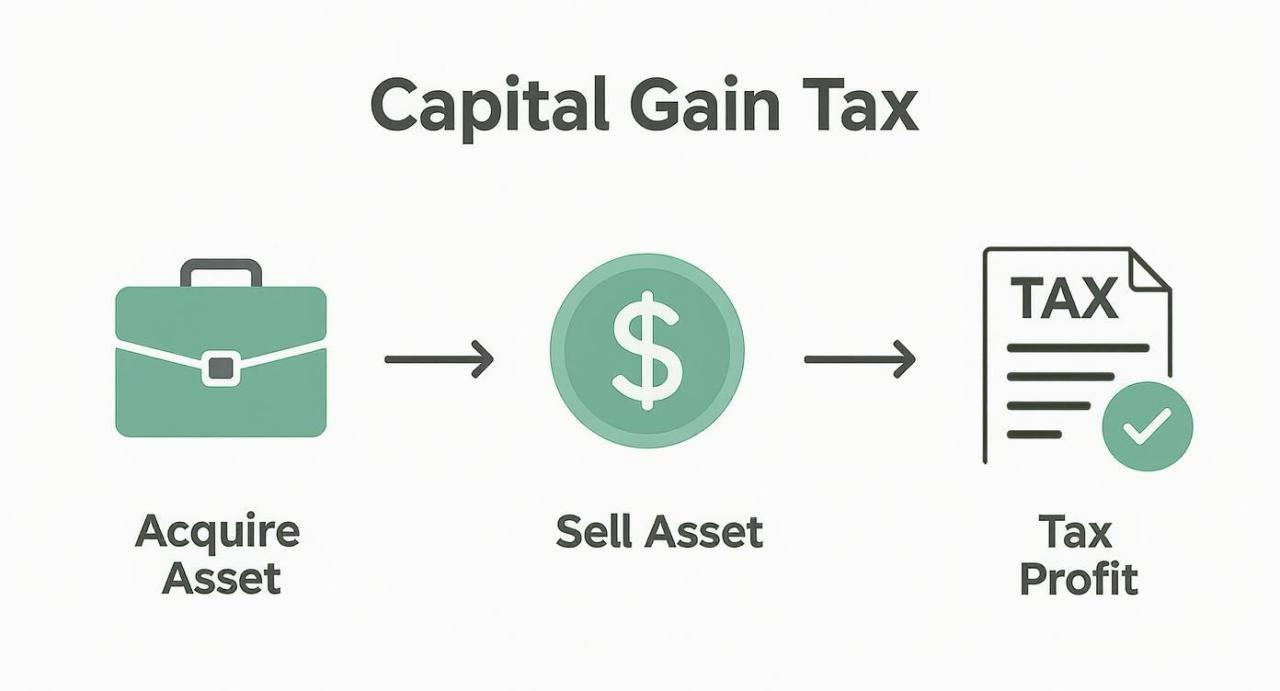
In Australia, capital gains tax (CGT) is a tax applied to the capital gain made on the disposal of any asset, such as real estate, shares, or personal items. The tax is calculated on the profit made from the sale of the asset, not the total amount received. CGT is an important aspect of the Australian taxation system, impacting both individuals and businesses.Impact of Capital Gains Tax
- Individuals: When an individual sells an asset for a profit, they are required to pay CGT on the capital gain. However, there are exemptions and concessions available, such as the 50% discount for assets held longer than 12 months.
- Businesses: Businesses are also subject to CGT when they sell assets for a profit. The tax implications can vary depending on the structure of the business, with different rules for companies, trusts, and sole traders.
Main Rules and Exemptions
One of the main rules of CGT in Australia is that the tax is only applied to assets acquired on or after 20 September 1985. Assets acquired before this date are generally exempt from CGT.
- Exemptions: Certain assets are exempt from CGT, such as your primary residence, personal assets under $10,000, and assets acquired before 20 September 1985.
- 50% Discount: Individuals are entitled to a 50% discount on the capital gain if the asset has been held for more than 12 months.
- Small Business CGT Concessions: Small businesses may be eligible for various concessions to reduce or eliminate the CGT liability when selling active assets used in the business.
Role of Wealth Management Advisory Firms
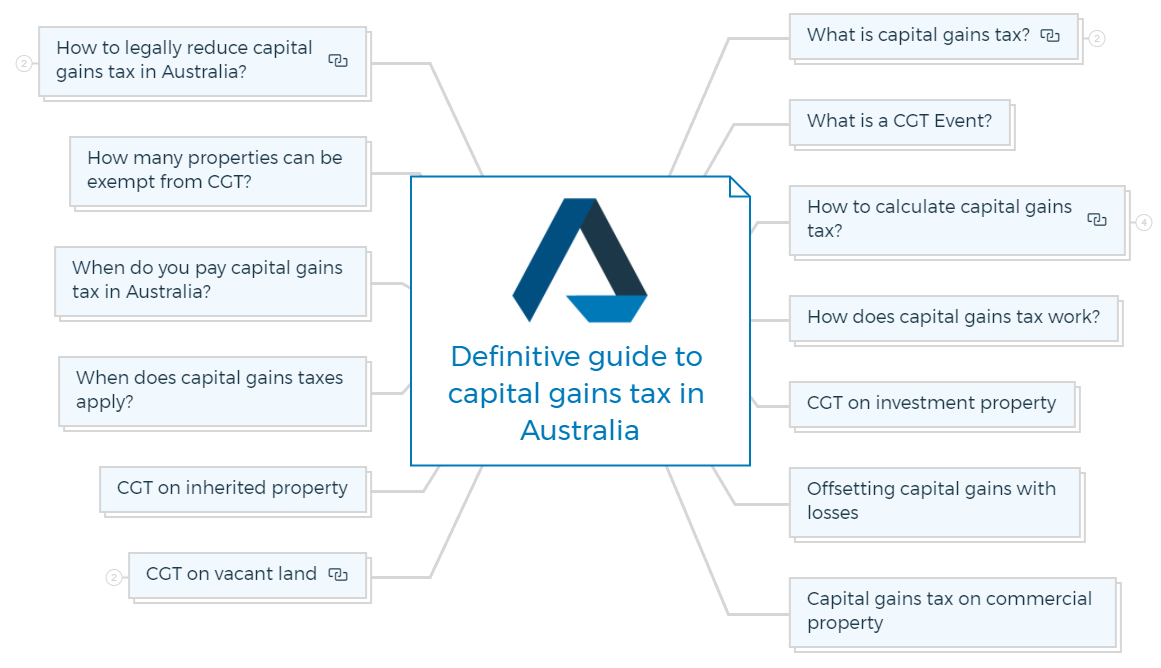
Wealth management advisory firms play a crucial role in assisting clients with capital gains tax by providing expert guidance and strategic planning to optimize tax outcomes.
These firms offer a range of services aimed at helping clients navigate the complexities of capital gains tax and minimize their tax liabilities while staying compliant with Australian tax laws.
Services Offered by Wealth Management Firms
- Capital Gains Tax Planning: Wealth management firms analyze clients' investment portfolios and financial transactions to develop tax-efficient strategies for managing capital gains tax.
- Portfolio Review and Optimization: They review clients' investment portfolios to identify opportunities for tax optimization and restructuring to maximize returns while minimizing tax implications.
- Reporting and Compliance: Wealth management firms ensure that clients accurately report capital gains and comply with all relevant tax regulations to avoid penalties or audits.
Optimizing Tax Liabilities
Wealth management firms help clients optimize their tax liabilities regarding capital gains by:
- Strategic Asset Allocation: Advising clients on the allocation of assets to minimize tax exposure and maximize returns.
- Loss Harvesting: Identifying opportunities to offset capital gains with capital losses to reduce overall tax liabilities.
- Tax-Efficient Investments: Recommending tax-efficient investment strategies and products that can help minimize the impact of capital gains tax.
Strategies for Minimizing Capital Gains Tax
Tax Planning Importance
Tax planning plays a significant role in minimizing capital gains tax for individuals and businesses. By strategically planning investments and structuring transactions, wealth management advisory firms can help clients take advantage of tax laws and regulations to legally reduce their capital gains tax obligations. This proactive approach can lead to substantial savings over time.Comparison of Approaches
Different wealth management advisory firms may use various approaches to assist clients in minimizing capital gains tax. Some firms may focus on long-term investment strategies that qualify for tax concessions, while others may recommend tax-efficient investment vehicles such as trusts or superannuation funds. By comparing these different approaches, clients can choose the strategy that best aligns with their financial goals and risk tolerance.Compliance and Reporting Requirements
Australian wealth management advisory firms are required to adhere to strict compliance and reporting requirements when it comes to managing capital gains tax for their clients. These requirements are put in place to ensure transparency, accuracy, and accountability in the handling of capital gains tax.Documentation and Reporting Processes
- Documentation: Wealth management advisory firms must maintain detailed records of all transactions and investments that may result in capital gains tax implications for their clients. This includes purchase and sale documents, asset valuations, and any relevant correspondence.
- Reporting: Firms are responsible for accurately reporting capital gains and losses to the Australian Taxation Office (ATO) on behalf of their clients. This involves filling out the necessary forms, such as the Capital Gains Tax Schedule, and providing the ATO with all relevant information in a timely manner.
- Client Communication: Firms must also communicate effectively with their clients regarding any capital gains tax obligations, ensuring that they understand the implications of their investment decisions and are prepared for any tax liabilities that may arise.
Penalties of Non-Compliance
- Penalties: Failure to comply with capital gains tax regulations can result in significant penalties for wealth management advisory firms, including fines, sanctions, and reputational damage.
- Consequences: Non-compliance can also lead to legal action, audits by the ATO, and potential loss of clients' trust. It can have serious financial implications for both the firm and its clients.
Ending Remarks
In conclusion, navigating the landscape of capital gains tax with Australian wealth management advisory firms requires a blend of expertise and strategic planning. As we wrap up our discussion, remember that optimizing tax liabilities can lead to significant benefits for individuals and businesses alike.
FAQ
How can wealth management advisory firms assist in minimizing capital gains tax?
Wealth management advisory firms can employ various strategies such as tax planning and identifying exemptions to help clients minimize their capital gains tax obligations.
What are the consequences of non-compliance with capital gains tax regulations in Australia?
Non-compliance with capital gains tax regulations in Australia can result in penalties and legal consequences for individuals and businesses.